-
313 Ruislip Rd East, Greenford UB6 9BG
How to Plan a House Renovation in London: A Complete Homeowner’s Guide
Recent Post


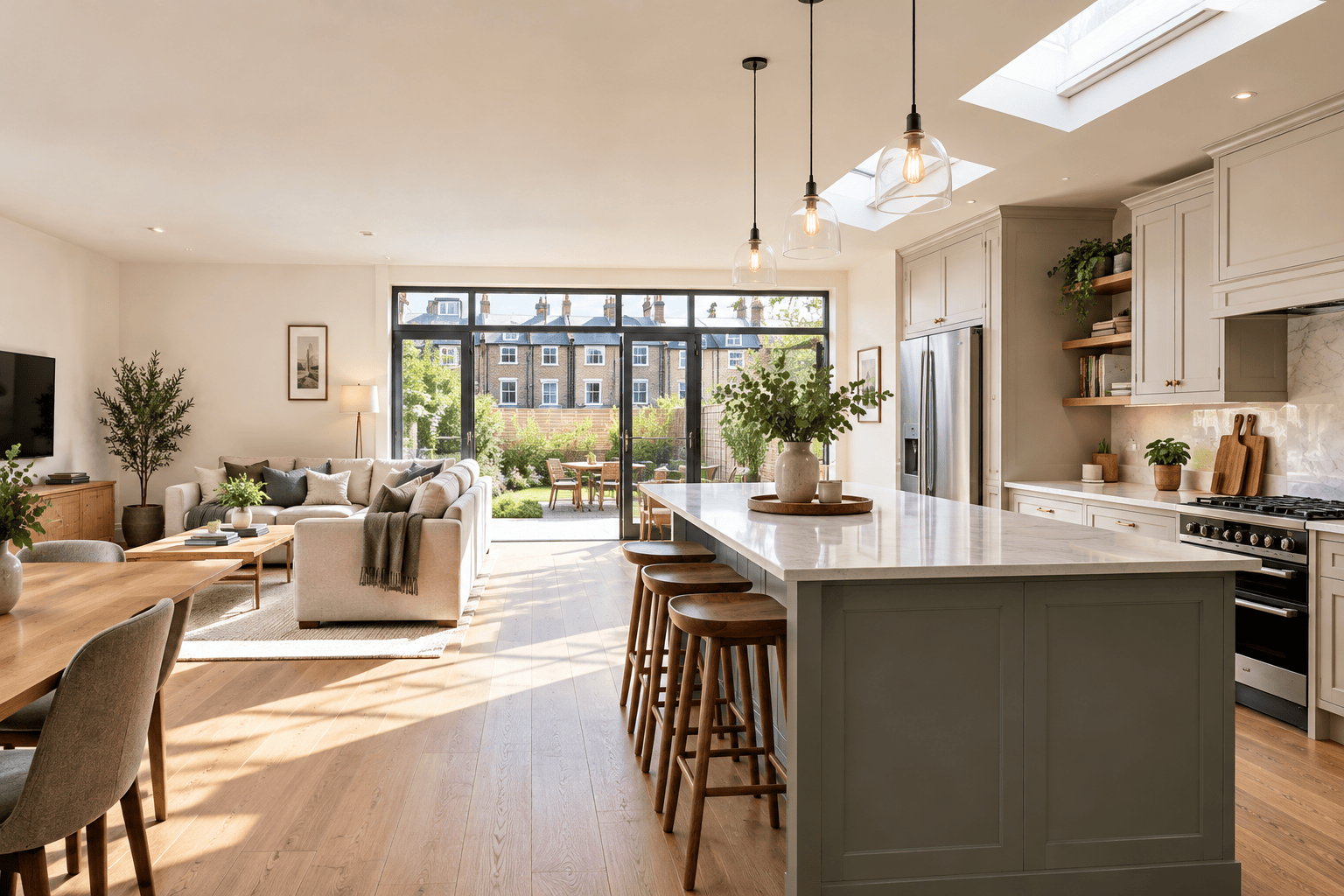
Home Renovation
How to Plan a House Renovation in London: A Complete Homeowner’s Guide
Renovating your home is an excellent opportunity to improve your living space, update outdated interiors and make your property better suited to your lifestyle. Whether you want to modernise a kitchen, renovate a bathroom or transform your entire house, careful planning can help you avoid unnecessary costs and delays.
At **Flex Design And Construct Ltd**, we understand the importance of combining practical design, quality workmanship and clear project planning. In this guide, we explain the essential steps to consider before starting your house renovation in London.
1. Define Your Renovation Goals
Before contacting a building contractor, decide what you want to achieve with your renovation.
Are you looking to create a modern open-plan living area, improve an outdated bathroom, add more storage or refurbish your entire property?
Make a list of your priorities and separate essential improvements from optional upgrades. This will help you develop a clear project brief and make better decisions throughout the renovation.
Consider the following questions:
- Which rooms need the most attention?
- Do you need additional living space?
- Are there structural problems that need addressing?
- Would improved insulation or ventilation benefit your home?
- What style and finish do you want to achieve?
A well-defined plan provides a strong foundation for the rest of your project.
2. Establish a Realistic Renovation Budget
Your budget should cover more than just the visible building work. Materials, labour, design fees, waste removal, permissions and finishing touches may all contribute to the overall cost.
When preparing your budget, consider:
- Building and refurbishment work
- Kitchen and bathroom fittings
- Flooring, plastering and decorating
- Electrical and plumbing work
- Design and professional fees, where required
- Waste disposal and site preparation
- A contingency for unexpected issues
Older properties can sometimes reveal hidden problems once work begins, including damaged pipework, outdated wiring or damp. Allowing a contingency can help you manage these surprises.
Request a detailed quotation that explains the proposed work, materials, exclusions and payment stages before committing to a contractor.
3. Check Planning Permission and Building Regulations
Not every renovation requires planning permission, but certain projects may need approval. Structural alterations, extensions and changes to a property's external appearance can involve additional requirements.
Even where planning permission is not required, Building Regulations may still apply. These can cover areas such as structural safety, fire safety, insulation, ventilation and electrical work.
Before starting construction, establish which permissions, approvals and inspections apply to your specific project. Requirements can vary depending on the property, its location and the nature of the proposed work.
If your home is listed or located in a conservation area, additional restrictions may apply.
4. Choose the Right Building Contractor
Selecting a reliable contractor is one of the most important decisions you will make during your renovation.
Look for a company that communicates clearly, understands your requirements and can explain how it intends to deliver the proposed work.
Before making your decision, consider:
- Relevant experience with similar renovation projects
- References and genuine customer reviews
- A clear, written quotation
- Appropriate insurance and qualifications
- A realistic project schedule
- Clear arrangements for variations and additional work
Avoid choosing a contractor based on price alone. A detailed quotation and a clear understanding of the scope of work can help you compare proposals fairly.
5. Create a Practical Design
A successful renovation should look attractive while also making your home more functional.
Think about how you use each room and how your needs may change over time. For example, improved kitchen storage, better lighting or a more efficient bathroom layout can make everyday life easier.
During the design stage, consider:
**Layout:** Make sure furniture, appliances and walkways fit comfortably within the available space.
**Lighting:** Combine natural light with suitable artificial lighting for different activities.
**Storage:** Plan storage early rather than trying to fit it in after construction.
**Materials:** Choose finishes that suit your budget, lifestyle and maintenance requirements.
**Long-term performance:** Consider insulation, ventilation and energy efficiency where appropriate.
Finalising key design decisions before work starts can reduce the need for expensive changes later.
6. Prepare for the Renovation Schedule
Renovation work can temporarily affect your normal routine, particularly when kitchens, bathrooms or essential services are being upgraded.
Discuss the expected schedule with your contractor before work begins. Identify the main stages, important decisions and any work that depends on deliveries or specialist trades.
Depending on the project, the sequence may include:
1. Initial assessment and project planning
2. Design development and required approvals
3. Site preparation and removal of existing fittings
4. Structural and first-fix work
5. Plastering and installation of new fixtures
6. Flooring, decorating and finishing
7. Final checks and handover
The exact sequence and duration will depend on the size and complexity of the renovation. Allow time for unforeseen issues and material lead times rather than relying on an overly optimistic schedule.
7. Do Not Overlook Quality and Finishing Details
The quality of the finishing work can make a significant difference to the final result.
Pay attention to details such as tile alignment, clean paintwork, properly fitted doors, neat sealant lines and consistent flooring transitions.
Before the project is considered complete, walk through the renovated areas with your contractor. Record any outstanding items, discuss how they will be addressed and collect relevant certificates, warranties and product information where applicable.
A clear handover helps ensure you understand the completed work and any ongoing maintenance requirements.
8. Consider How Renovation Can Improve Your Property
A carefully planned renovation can improve comfort, usability and the overall presentation of your home.
Depending on your property's condition and your objectives, improvements might include a modern kitchen, an updated bathroom, better storage, a more practical layout or additional living space.
However, renovation costs do not always translate directly into an equivalent increase in property value. The outcome depends on factors such as location, property condition, workmanship and local market demand.
Focus first on creating a home that meets your needs while keeping your investment within a realistic budget.
Plan Your Home Renovation with Flex Design And Construct Ltd
A successful home renovation begins with clear objectives, realistic budgeting and the right professional support.
Whether you are considering a kitchen refurbishment, bathroom renovation, flooring upgrade or a larger home improvement project, taking time to plan the details can make the process more manageable.
**Flex Design And Construct Ltd** is here to help you explore your construction and refurbishment requirements and discuss the next steps for your property.
Contact our team to discuss your project and request a free, no-obligation quotation.
**Ready to improve your home?** Visit [Flex Design And Construct Ltd](https://flexdesignandconstruct.co.uk/) to get started.
---
Frequently Asked Questions
How much does a house renovation cost in London?
The cost depends on the property's size and condition, the extent of the work, the materials selected and whether structural changes are required. Request a detailed quotation based on your specific requirements.
Do I need planning permission for a house renovation?
Many internal improvements do not require planning permission, but some alterations and extensions do. Building Regulations may apply separately. Check the requirements for your property before starting work.
How long does a house renovation take?
A small refurbishment may take considerably less time than a full-house renovation. The schedule depends on the scope of work, approvals, material availability and any unexpected issues discovered during construction.
How can I avoid unexpected renovation costs?
Establish a clear scope of work, obtain a detailed written quotation, investigate known property issues and maintain a contingency budget. Confirm any additional costs with your contractor before approving changes.
How do I choose a renovation contractor?
Compare relevant experience, references, insurance, written quotations, communication and project planning. Make sure both parties understand the agreed scope of work before construction begins.
Recommended
Quality Services provider
